Image failed to load
Hydrogen Fuel Cell Reefer Truck
Product Overview
Definition
A Hydrogen Fuel Cell Reefer Truck is a new energy refrigerated commercial vehicle that uses hydrogen fuel cell technology to provide electric power for transportation and temperature-controlled cargo operations.
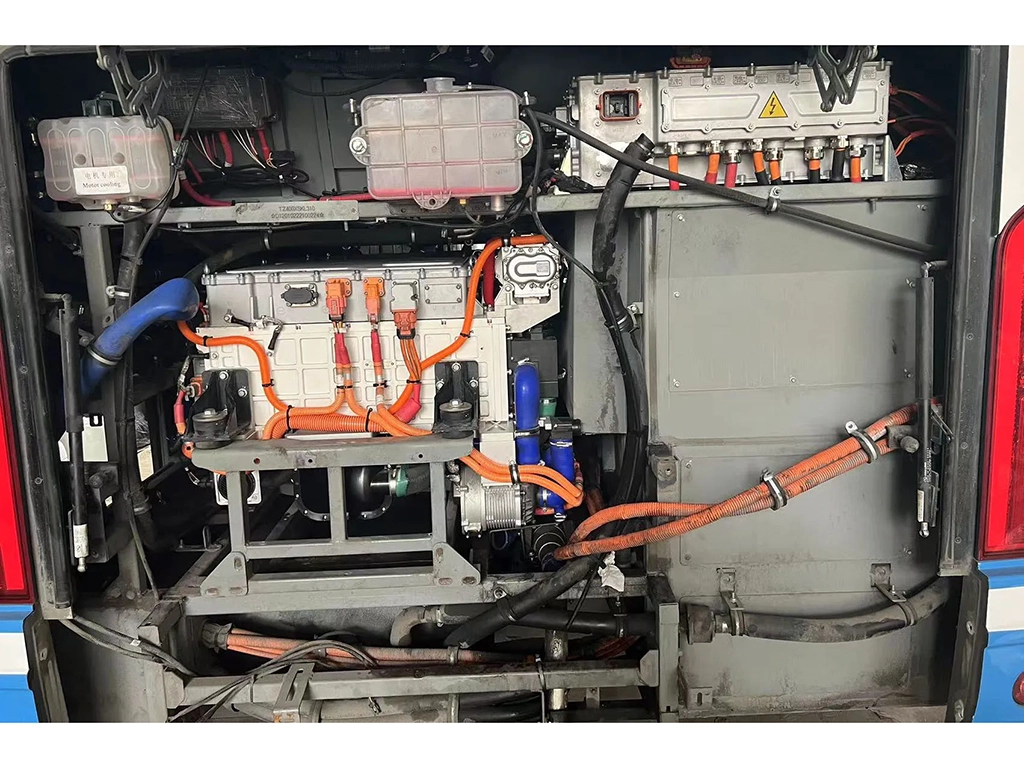
Unlike conventional diesel refrigerated trucks that rely on internal combustion engines, this type of vehicle integrates hydrogen energy technology, electric drive systems, and refrigeration equipment into one transportation platform. Hydrogen stored in the onboard storage system is converted into electrical energy through the fuel cell system, which supports vehicle movement and refrigeration operation.
With the continuous development of hydrogen mobility and clean transportation technologies, hydrogen refrigerated vehicles are being explored for applications in food logistics, pharmaceutical transportation, retail distribution, and other cold chain industries.
For companies looking to develop sustainable logistics fleets, fuel cell commercial vehicles provide an alternative pathway for reducing dependence on traditional fossil fuel systems while maintaining the operational requirements of commercial transportation.
How it Works
The operating principle of a hydrogen fuel cell refrigerated truck is based on hydrogen-to-electricity conversion technology.
Hydrogen stored in the vehicle’s high-pressure storage tanks enters the fuel cell stack under controlled conditions. Inside the stack, hydrogen reacts with oxygen from the air through an electrochemical process to generate electricity. The electricity is managed by the vehicle power control system and supplied to the electric motor and refrigeration unit.
The complete energy flow can be described as:
Hydrogen Storage System → Fuel Cell Stack → Electrical Power Generation → Electric Drive System & Refrigeration Unit → Transportation Operation
The electric drive system converts electrical energy into mechanical power for vehicle operation, while the refrigeration system uses electric power to maintain the required cargo temperature.
Compared with traditional combustion-powered refrigerated vehicles, the fuel cell system operates through an electrochemical process rather than fuel combustion. Under normal operating conditions, water vapor and heat are the primary by-products of the fuel cell reaction.
The integrated energy architecture allows hydrogen refrigerated trucks to support commercial transportation requirements while adopting hydrogen-based energy technology.
Specifications
| Parameter | Specification |
| Product Name | Hydrogen Fuel Cell Reefer Truck |
| Vehicle Type | Fuel Cell Electric Refrigerated Vehicle |
| Energy Source | Hydrogen |
| Power System | Hydrogen Fuel Cell System |
| Drive System | Electric Drive |
| Vehicle Application | Cold Chain Transportation |
| Cargo Application | Food, Pharmaceutical, Temperature-sensitive Goods |
| Refrigeration System | Electric Refrigeration Unit |
| Hydrogen Supply | Hydrogen Refueling Station |
| Driving Range | According to vehicle configuration |
| Cargo Capacity | According to chassis and body design |
| Operating Temperature | According to refrigeration configuration |
| Energy Management | Intelligent Power Control System |
| Safety System | Hydrogen Detection and Protection System |
| Communication Function | Optional Fleet Monitoring System |
Specifications may vary depending on vehicle model, regional requirements, and customer configuration.
Product Selection Guide
Selecting the right hydrogen refrigerated vehicle requires an evaluation of transportation conditions, cargo requirements, and infrastructure availability.
For urban cold chain delivery, customers usually focus on vehicle size, loading frequency, refrigeration performance, and daily operating distance. Compact configurations may be suitable for frequent distribution routes where temperature control and operational flexibility are important.
For regional and long-distance logistics, fleet operators should consider hydrogen supply availability, transportation distance, payload requirements, and route planning. The hydrogen energy system provides an option for commercial vehicles that require longer operating cycles compared with some battery-only solutions.
The refrigeration system should also be selected according to cargo characteristics. Fresh products, frozen goods, and pharmaceutical materials may require different temperature control specifications and monitoring systems.
Before fleet deployment, companies should evaluate local hydrogen refueling infrastructure, maintenance capability, operating environment, and applicable transportation regulations.
Comparison
Hydrogen Fuel Cell Reefer Truck vs Traditional Refrigerated Trucks
| Comparison Item | Hydrogen Fuel Cell Reefer Truck | Diesel Reefer Truck | Battery Electric Reefer Truck |
| Energy Source | Hydrogen | Diesel Fuel | Battery Electricity |
| Power System | Fuel Cell Electric System | Internal Combustion Engine | Battery Electric System |
| Energy Conversion | Electrochemical Reaction | Fuel Combustion | Battery Discharge |
| Vehicle Operation | Electric Drive | Mechanical Drive | Electric Drive |
| Refueling Method | Hydrogen Station | Fuel Station | Charging Station |
| Range Capability | Depends on hydrogen storage configuration | Depends on fuel capacity | Depends on battery capacity |
| Application | Commercial cold chain transportation | General logistics transportation | Mainly short-distance logistics |
| Infrastructure | Hydrogen supply network | Fuel supply network | Charging infrastructure |
Applications
Cold Chain Logistics
Cold chain transportation requires stable temperature management throughout the entire delivery process.
Hydrogen fuel cell refrigerated trucks can be applied in food distribution networks, including fresh agricultural products, frozen food, beverages, and retail supply chains. The combination of electric drive technology and refrigeration capability provides an additional vehicle option for logistics operators developing new energy fleets.
Pharmaceutical Transportation
Temperature-sensitive healthcare products require reliable transportation conditions. Hydrogen-powered refrigerated vehicles can support applications where controlled temperature environments are required, such as pharmaceutical logistics and medical supply transportation.
The final vehicle configuration should be selected according to cargo temperature requirements and regional transportation standards.
Commercial Distribution
Retail and logistics companies are increasingly evaluating alternative energy vehicles for distribution operations.
Hydrogen refrigerated vehicles may be considered for:
· Warehouse distribution
· Regional delivery networks
· Commercial fleet modernization projects
Hydrogen Energy Demonstration Projects
As hydrogen infrastructure continues developing in different regions, fuel cell commercial vehicles are being considered in transportation demonstration programs and new energy logistics applications.
Installation & Maintenance
The integration of a hydrogen fuel cell refrigerated truck requires coordination between the vehicle platform, hydrogen power system, and refrigeration equipment.
During installation, engineers need to verify the compatibility of the hydrogen storage system, fuel cell components, electric drive system, and refrigerated body structure. Safety inspection and system testing should be completed before commercial operation.
Regular maintenance focuses on maintaining system reliability and operational safety.
The hydrogen system requires inspection of storage components, supply lines, monitoring sensors, and protection systems. The fuel cell system requires performance checks and electrical connection inspection. The refrigeration unit requires regular examination of cooling components, temperature control functions, and operating performance.
Maintenance schedules should follow manufacturer recommendations and applicable regional regulations.
Industry Standards
Hydrogen fuel cell refrigerated trucks involve multiple technical areas, including hydrogen systems, electric vehicles, and commercial transportation safety.
Relevant standards may include:
ISO 9001 Quality Management System
Used for production management and quality control processes.
ISO 26262 Functional Safety
Applicable to automotive electrical and electronic system safety management.
ISO 6469 Electric Road Vehicle Safety
Provides safety requirements related to electrically powered road vehicles.
Hydrogen Related Standards
International hydrogen standards may cover hydrogen storage, fuel supply systems, and hydrogen vehicle safety requirements.
SAE Hydrogen Mobility Standards
Used as technical references for hydrogen vehicle systems and refueling technologies.
Specific compliance requirements depend on target markets, such as Europe, North America, and Asia.
Troubleshooting
| Problem | Possible Cause | Solution |
| Vehicle cannot start | Fuel cell system or electrical system abnormality | Check system status and electrical connections |
| Reduced vehicle range | Hydrogen supply condition or system efficiency issue | Inspect hydrogen system and operating conditions |
| Refrigeration capacity decreases | Refrigeration unit malfunction | Check cooling components and control settings |
| System warning appears | Sensor or control system abnormality | Review diagnostic information |
| Hydrogen warning alarm | Hydrogen monitoring system detects abnormal condition | Stop operation and perform safety inspection |
FAQ
What is a hydrogen fuel cell reefer truck?
A hydrogen fuel cell reefer truck is a refrigerated commercial vehicle that uses hydrogen fuel cell technology to generate electricity for vehicle operation and cargo refrigeration.
How does a hydrogen refrigerated vehicle generate power?
The vehicle converts hydrogen energy into electricity through a fuel cell stack. The electricity powers the electric drive system and refrigeration equipment.
What are hydrogen refrigerated trucks used for?
They are mainly designed for cold chain transportation applications, including food logistics, pharmaceutical transportation, retail distribution, and commercial logistics operations.
What factors should be considered before purchasing?
Customers should evaluate transportation distance, cargo requirements, refrigeration conditions, hydrogen infrastructure availability, and local regulations.
How is maintenance performed?
Maintenance includes hydrogen system inspection, fuel cell system checking, electrical system maintenance, and refrigeration equipment servicing.
Can hydrogen fuel cell trucks be used for long-distance logistics?
Their suitability depends on vehicle configuration, hydrogen supply infrastructure, route conditions, and operational requirements.
Looking for detailed specifications, pricing, delivery information, or customized equipment solutions?
Contact our International Sales Manager Brucr for professional support regarding pharmaceutical machinery, production equipment, and customized manufacturing solutions.
Sales Manager: Brucr
WhatsApp: +86 13322335577
Our team provides global customers with equipment consultation, technical assistance, and project support.

Related products
Image failed to load
GMP Modular Clean Room System Manufacturer
SINOPED manufactures customized GMP modular cleanroom systems, including Class 1000 laminar air flow hardwall clean booths for pharmaceutical, laboratory, medical, and industrial applications. The turnkey cleanroom solution integrates modular panels, HEPA filtration, HVAC systems, and engineering services to create controlled environments based on ISO and GMP requirements.
Image failed to load
Semi Automatic KN95 Mask Making Machine
The Semi Automatic KN95 Mask Making Machine from SINOPED is designed for manufacturers seeking a flexible solution for disposable mask production. With semi-automatic operation, inner earloop welding capability, and integration options for complete production systems, it supports various mask manufacturing applications across global markets.