Image failed to load
ZPT Series Rotary Tablet Press Machine
Product Overview
Definition
The Sinoped ZPT Series Rotary Tablet Press Machine is an automatic high-speed tablet compression machine designed for the continuous production of pharmaceutical tablets, nutraceutical tablets, food tablets, and industrial powder products.
As a key piece of solid dosage manufacturing equipment, the ZPT rotary tablet press converts powder or granulated materials into compressed tablets with controlled weight, hardness, thickness, and shape. The machine adopts a multi-station rotary punching structure, enabling stable high-speed tablet production while maintaining consistent tablet quality.
The ZPT Series is available with different punch and die configurations, including D, B, BB, and BBS tooling types, allowing pharmaceutical manufacturers and industrial users to select suitable models according to tablet diameter, production capacity, and formulation requirements.
Designed according to pharmaceutical equipment manufacturing requirements, the Sinoped tablet press machine supports GMP production environments and is widely used in pharmaceutical, nutraceutical, food processing, chemical, and powder molding industries.
How It Works
The ZPT rotary tablet press machine works through a continuous rotary compression process. During operation, powder material is continuously supplied into the die cavities through a forced feeding system. The rotating turret carries multiple punches and dies through filling, pre-compression, main compression, and tablet discharge stages.
The forced feeding mechanism driven by the main motor ensures stable powder filling, which helps improve tablet weight uniformity and production efficiency. During compression, the upper and lower punches apply controlled mechanical pressure to compact the material into tablets with the required hardness and thickness.
The machine is equipped with an anti-seepage oil and dust-proof punching structure. This design reduces the possibility of lubricant contamination entering the powder area and supports cleaner pharmaceutical production processes.
The sealed structure, transparent isolation window, and high-definition Windows control interface provide operators with better process visibility while improving production safety and equipment management.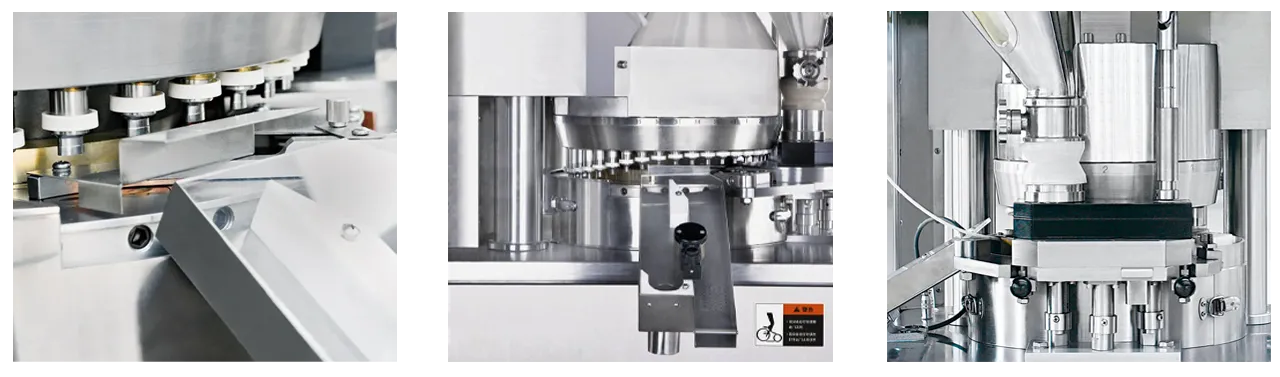
Key Features of Sinoped ZPT Rotary Tablet Press
The Sinoped ZPT Series tablet press machine combines high-speed production capability with precision compression control. The equipment is designed to meet the requirements of manufacturers who need reliable tablet quality, efficient operation, and convenient maintenance.
The rotary tablet press adopts a precision punch and die system, allowing stable control of tablet weight, thickness, and hardness during continuous production. The optimized transmission structure improves feeding stability and reduces fluctuations caused by uneven powder distribution.
For pharmaceutical applications, the equipment design focuses on hygiene, cleaning efficiency, and contamination prevention. The sealed compression area helps minimize powder leakage, while the easy-access structure simplifies routine cleaning and maintenance procedures.
Specifications
| Parameter | ZPT-15 | ZPT-17 | ZPT-20 | ZPT-25 |
| Model | ZPT-15 | ZPT-17 | ZPT-20 | ZPT-25 |
| Punch Type | D | B | BB | BBS |
| Number of Punches (Stations) | 15 | 17 | 20 | 25 |
| Maximum Tablet Diameter (mm) | 25 | 16 | 13 | 11 |
| Maximum Anisotropic Long Axis Size (mm) | 25 | 18 | 16 | — |
| Maximum Production Capacity (tablets/hour) | 70,000 | 80,000 | 95,000 | 118,000 |
| Maximum Filling Depth (mm) | 20 | 16 | 16 | 16 |
| Maximum Main Pressure (kN) | 100 | 80 | 80 | 80 |
| Maximum Pre-pressure (kN) | 12 | 12 | 12 | 12 |
| Noise Level Without Load | ≤75 dB(A) | ≤75 dB(A) | ≤75 dB(A) | ≤75 dB(A) |
Selection Guide
Choosing the right rotary tablet press machine depends mainly on tablet size, required output capacity, material characteristics, and compression requirements.
For manufacturers producing larger tablets, the ZPT-15 model with D-type tooling provides a larger maximum tablet diameter and higher compression capability. It is suitable for applications where tablet size and forming pressure are important factors.
The ZPT-17 and ZPT-20 models are commonly selected for general pharmaceutical tablet manufacturing because they provide a balance between production efficiency and tooling flexibility.
For high-volume production of smaller tablets, the ZPT-25 model provides the highest output capacity within the series, making it suitable for continuous large-scale tablet manufacturing.
Before selecting a model, manufacturers should evaluate formulation characteristics, tablet dimensions, production targets, and future product changeover requirements.
ZPT Series Model Comparison
| Model | Main Characteristics | Typical Application |
| ZPT-15 | Large tablet diameter capability and higher compression force | Large tablets and industrial powder compression |
| ZPT-17 | Balanced performance with flexible application range | Standard pharmaceutical tablet production |
| ZPT-20 | Improved production efficiency for medium-size tablets | Continuous tablet manufacturing |
| ZPT-25 | High-speed production with maximum output | Large-volume small tablet production |
Applications
Pharmaceutical Tablet Manufacturing
The primary application of the ZPT rotary tablet press machine is pharmaceutical solid dosage production. It is used to compress pharmaceutical powders, granules, and active ingredient formulations into tablets with consistent size, weight, and hardness.
The equipment is suitable for pharmaceutical factories producing conventional tablets, nutritional supplements, and other compressed solid preparations where stable production quality is required.
Nutraceutical and Food Production
In the food and health supplement industries, the Sinoped tablet press is used for producing vitamin tablets, functional food tablets, candy tablets, and similar compressed products.
The controlled compression process helps manufacturers achieve consistent appearance, density, and product quality.
Chemical and Industrial Powder Forming
Beyond pharmaceutical applications, the ZPT Series can also be applied in chemical and industrial powder molding processes, including ceramic tablets, composite materials, and powder metallurgy products.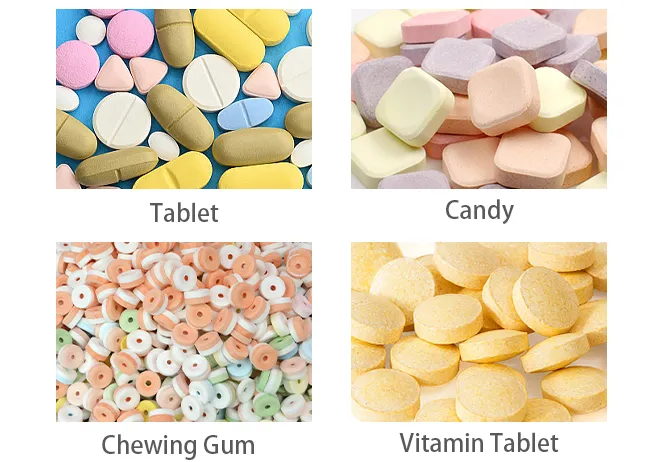
Installation & Maintenance
Proper installation and preventive maintenance are essential for maintaining the performance of an automatic rotary tablet press machine.
The equipment should be installed on a stable foundation with sufficient space for operation, cleaning, and inspection. Before production, operators should verify electrical connections, lubrication conditions, punch and die installation accuracy, and cleaning status.
Regular maintenance mainly focuses on the compression system, feeding mechanism, lubrication components, sealing structure, and wear parts. Routine inspection of punches and dies can help maintain tablet quality and reduce unexpected downtime.
For pharmaceutical production environments, cleaning procedures should follow GMP requirements to prevent cross-contamination between batches.
Industry Standards and Compliance
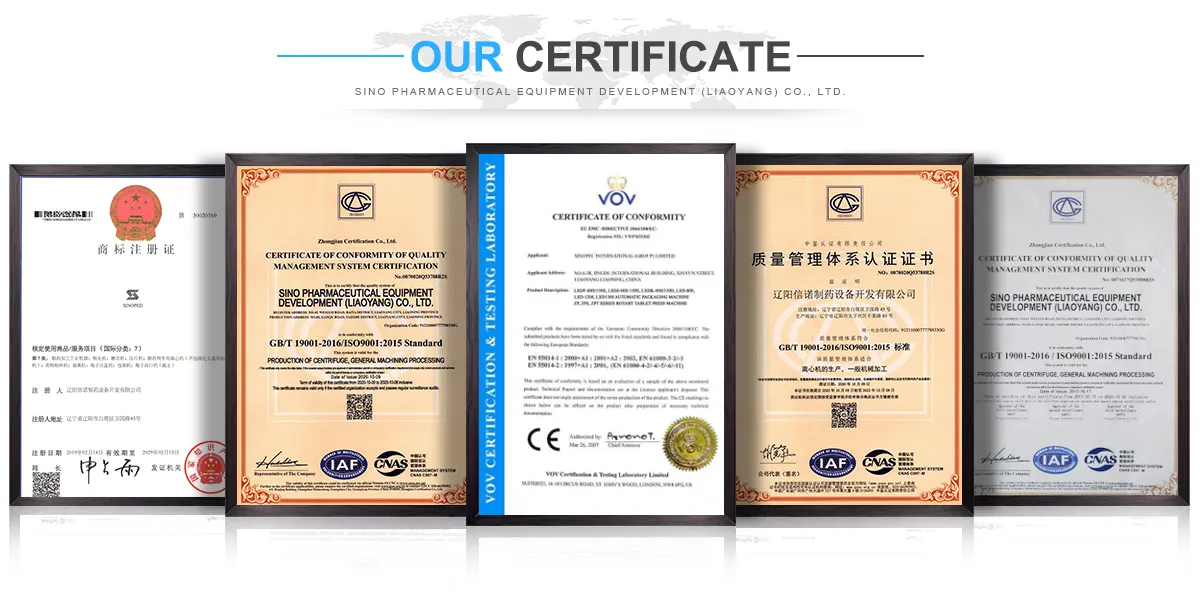
The Sinoped ZPT Series Rotary Tablet Press Machine is developed for pharmaceutical and industrial production environments where equipment hygiene, operational safety, and manufacturing consistency are important.
The equipment supports compliance with:
| Standard | Application |
| GMP (Good Manufacturing Practice) | Pharmaceutical production hygiene and process management |
| ISO Quality Management Requirements | Manufacturing quality control |
| FDA Production Environment Requirements | Pharmaceutical equipment application requirements |
| CE Safety Requirements | Machinery safety and operator protection |
Specific compliance requirements may vary depending on the target market and production regulations.
Troubleshooting
| Problem | Possible Reason | Solution |
| Uneven tablet weight | Unstable powder feeding or incorrect filling adjustment | Check feeding system and adjust filling parameters |
| Tablet cracking or capping | Improper compression conditions or trapped air | Adjust compression force and pre-compression settings |
| Low production efficiency | Feeding instability or incorrect machine parameters | Inspect drive system and operating conditions |
| Powder leakage | Seal damage or improper assembly | Check sealing components and installation |
| Abnormal operating noise | Mechanical wear or insufficient lubrication | Inspect moving components and lubrication system |
FAQ
What is a rotary tablet press machine used for?
A rotary tablet press machine is used to compress powders or granules into tablets. It is widely applied in pharmaceutical, nutraceutical, food, and chemical industries for continuous tablet production.
What is the production capacity of the Sinoped ZPT tablet press?
The ZPT Series provides production capacity from 70,000 to 118,000 tablets per hour, depending on the selected model and tooling configuration.
What punch types are available for the ZPT Series?
The ZPT tablet press supports D, B, BB, and BBS punch types. Different punch systems are selected according to tablet diameter, shape, and production requirements.
Is the ZPT tablet press suitable for GMP pharmaceutical production?
Yes. The machine adopts GMP-oriented design features, including sealed structures, powder protection systems, easy-clean components, and controlled compression processes.
How can tablet quality consistency be improved?
Stable powder feeding, correct tooling selection, proper compression adjustment, and regular maintenance of punches and dies are important factors affecting tablet weight, hardness, and appearance.
Contact our International Sales Manager Brucr for professional support regarding pharmaceutical machinery, production equipment, and customized manufacturing solutions.
Sales Manager: Brucr
WhatsApp: +86 13322335577
Our team provides global customers with equipment consultation, technical assistance, and project support.