SINOPED Advances Tablet Manufacturing Technology Through Precision Compression Solutions
Image failed to load
How Modern Tablet Manufacturing Technology Is Transforming Pharmaceutical Production
Tablet manufacturing remains one of the most established and widely adopted production methods in the pharmaceutical industry. As demand for solid dosage products continues to expand across global healthcare markets, manufacturers are placing greater emphasis on production consistency, equipment reliability, and efficient process management.
Today's pharmaceutical tablet manufacturing process extends far beyond simply compressing powders into tablets. Modern production requires precise coordination between formulation characteristics, material flow, compression parameters, quality monitoring, and automated control systems. Each stage contributes to the overall performance and consistency of the finished dosage form.
At the same time, pharmaceutical manufacturers are increasingly investing in production technologies that improve operational efficiency while supporting regulatory expectations and long-term manufacturing stability. These industry developments continue driving innovation in tablet compression systems and pharmaceutical production equipment.
Against this evolving industry landscape, SINOPED International (Liaoning) Co., Ltd. continues expanding its engineering expertise by developing equipment designed to support reliable tablet manufacturing processes and modern solid dosage production.
The Evolution of Pharmaceutical Tablet Manufacturing
Over the past decade, tablet manufacturing technology has progressed from traditional mechanical compression toward intelligent production systems that combine precision engineering with digital process management.
Modern pharmaceutical manufacturers expect equipment to operate consistently under different production conditions while accommodating a wide range of formulations and production capacities. This evolution has encouraged equipment developers to improve machine accuracy, operating stability, and production flexibility rather than focusing solely on output speed.
Advances in tablet manufacturing are also changing how pharmaceutical companies approach process optimization. Intelligent monitoring systems, improved compression control, and integrated production management now help manufacturers maintain greater consistency throughout the entire tablet production workflow.
As pharmaceutical production becomes increasingly data-driven, equipment suppliers are expected to provide not only reliable machinery but also practical manufacturing expertise that supports long-term operational performance.
Precision Compression Supports Consistent Tablet Production
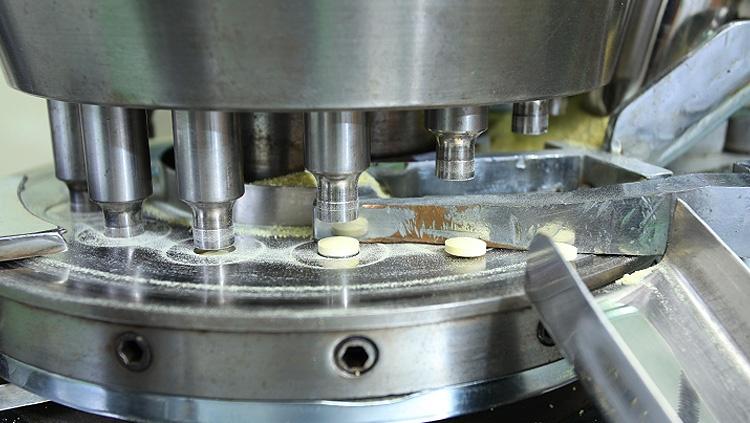
Compression remains one of the most important stages in the tablet manufacturing process because it directly influences production consistency and overall manufacturing stability.
Modern tablet compression systems are designed to apply controlled force while maintaining uniform operating conditions throughout production. Stable compression contributes to consistent tablet dimensions, improved production repeatability, and more efficient manufacturing management across different production batches.
Rather than relying solely on mechanical performance, today's pharmaceutical equipment integrates precision engineering with intelligent monitoring technologies to minimize process variation and improve production control. These improvements help manufacturers achieve greater confidence during routine production while supporting continuous process optimization.
As pharmaceutical products become increasingly diverse, compression engineering must also accommodate changing formulation characteristics and evolving manufacturing requirements. Flexible equipment design therefore plays an increasingly important role in supporting efficient solid dosage manufacturing.
Through continuous engineering development and manufacturing experience, SINOPED focuses on providing tablet production solutions that combine precision, reliability, and operational flexibility for pharmaceutical manufacturers worldwide.
Automation Is Reshaping Tablet Manufacturing
Automation has become an essential component of modern pharmaceutical manufacturing. Rather than replacing operators, intelligent automation enables manufacturers to monitor production more effectively while maintaining stable operating conditions throughout the manufacturing process.
Digital control systems provide real-time visibility into key production parameters, allowing operators to identify potential variations earlier and respond more efficiently. This contributes to better process control and supports more consistent manufacturing performance across multiple production cycles.
Automation also improves coordination between different production stages, helping pharmaceutical companies streamline workflows and reduce unnecessary operational interruptions. As production facilities continue adopting intelligent manufacturing strategies, integrated automation is expected to become increasingly important for maintaining production efficiency.
Equipment manufacturers therefore continue investing in digital technologies that enhance machine communication, production monitoring, and manufacturing transparency. These developments are gradually transforming traditional tablet production into more connected and intelligent manufacturing environments.
Tablet Manufacturing Technology and Quality Management
Quality management is closely connected to every stage of the tablet manufacturing process. While formulation development determines the desired product characteristics, manufacturing technology ensures those requirements can be achieved consistently throughout commercial production.
Modern pharmaceutical tablet manufacturing relies on the integration of precision equipment, validated production procedures, and continuous process monitoring. Instead of evaluating quality only after production, manufacturers increasingly adopt quality-by-design principles that emphasize process understanding and risk prevention from the beginning of manufacturing.
Digital monitoring technologies further strengthen quality management by collecting production data in real time. Parameters such as compression force, tablet weight, turret speed, and production consistency can be continuously monitored, enabling operators to identify deviations early and maintain stable operating conditions.
This integrated approach helps improve manufacturing reliability while supporting regulatory compliance and long-term production efficiency. As pharmaceutical standards continue evolving worldwide, equipment suppliers are expected to provide solutions that support both operational performance and consistent quality outcomes.
Drawing on years of pharmaceutical equipment engineering, SINOPED continues refining tablet manufacturing solutions that help customers build reliable, repeatable, and scalable production processes for solid oral dosage products.
Flexible Manufacturing for Diverse Pharmaceutical Applications
Global pharmaceutical markets continue to diversify, creating demand for production systems capable of handling a broader range of formulations, production volumes, and operational requirements.
Manufacturers may produce conventional tablets, nutritional supplements, herbal formulations, or specialty dosage products within the same facility. This diversity requires tablet manufacturing equipment that can adapt efficiently without compromising production consistency or process control.
Flexible equipment design also supports manufacturers responding to changing market demands, shorter product development cycles, and increasing product customization. Modular production concepts, simplified equipment adjustment, and intelligent control systems enable faster changeovers while maintaining reliable manufacturing performance.
Beyond production flexibility, pharmaceutical companies increasingly value equipment that can integrate smoothly into existing manufacturing environments. Compatibility with upstream and downstream equipment, digital production management platforms, and data collection systems has become an important consideration when selecting pharmaceutical machinery.
As an international pharmaceutical machinery manufacturer, SINOPED continuously develops tablet production solutions that support a wide variety of manufacturing environments while helping customers improve operational flexibility and long-term production efficiency.
The Future of Tablet Manufacturing Technology
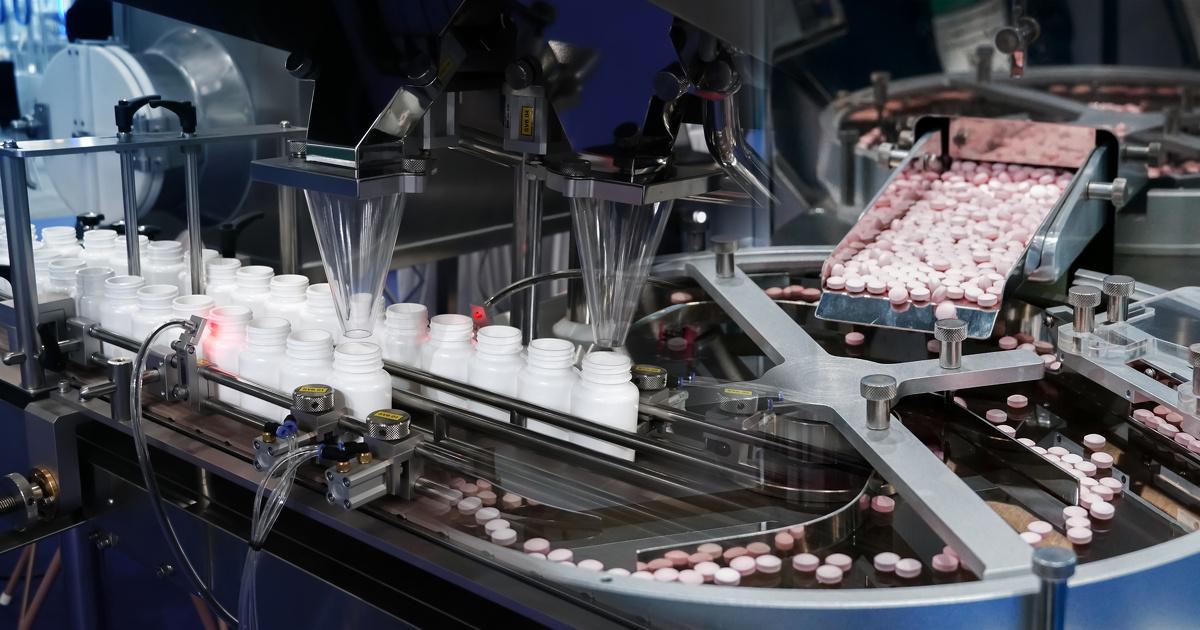
The next generation of tablet manufacturing technology will be shaped by automation, intelligent data analysis, precision engineering, and increasingly connected production systems. Rather than focusing solely on higher production speeds, pharmaceutical manufacturers are placing greater emphasis on manufacturing transparency, process optimization, and sustainable operational performance.
Artificial intelligence, predictive maintenance, and advanced process analytics are expected to become more integrated into pharmaceutical production facilities. These technologies will help manufacturers monitor equipment performance, reduce unexpected downtime, and improve production planning through data-driven decision-making.
At the same time, sustainability continues to influence equipment development. Manufacturers are seeking production systems that improve energy efficiency, optimize material utilization, and reduce operational waste while maintaining consistent product quality. Equipment suppliers therefore continue refining mechanical design, automation technologies, and manufacturing processes to support more sustainable pharmaceutical production.
Looking ahead, successful tablet manufacturing will depend on the effective integration of engineering expertise, intelligent automation, and practical manufacturing experience. Companies that combine reliable equipment with continuous technological innovation will be better positioned to meet the evolving needs of the global pharmaceutical industry.
By continuously improving engineering capabilities and expanding its understanding of pharmaceutical manufacturing, SINOPED remains committed to supporting customers with advanced tablet manufacturing solutions designed for today's production challenges and tomorrow's industry developments.
SINOPED's Perspective on Tablet Manufacturing Innovation
As pharmaceutical manufacturing continues to evolve, equipment suppliers play an increasingly important role in supporting efficient, reliable, and future-ready production. Beyond designing machinery, they are expected to understand production workflows, regulatory expectations, and the practical challenges manufacturers face in day-to-day operations.
At SINOPED International (Liaoning) Co., Ltd., equipment development is guided by continuous engineering improvement and close attention to industry trends. The company focuses on designing tablet manufacturing solutions that balance precision, operational stability, and manufacturing flexibility, enabling pharmaceutical producers to adapt to changing market requirements with greater confidence.
Rather than pursuing isolated technological upgrades, SINOPED emphasizes the integration of mechanical engineering, intelligent automation, and practical production experience. This approach supports manufacturers seeking consistent tablet quality, optimized production efficiency, and scalable manufacturing capabilities.
Through ongoing investment in research, engineering, and customer collaboration, SINOPED continues to strengthen its position as a trusted pharmaceutical machinery manufacturer serving customers across global pharmaceutical and healthcare markets.
Conclusion
Tablet manufacturing technology continues to advance as pharmaceutical manufacturers seek higher standards of production consistency, operational efficiency, and manufacturing flexibility. Precision compression, intelligent automation, and digital process control are no longer independent innovations—they have become essential components of modern solid dosage manufacturing.
As production environments become more connected and data-driven, pharmaceutical companies increasingly require equipment that delivers reliable performance while supporting long-term process optimization and sustainable manufacturing practices. Equipment innovation will therefore remain a key driver of future pharmaceutical production.
By combining engineering expertise with continuous product development, SINOPED supports manufacturers in building efficient and dependable tablet production systems. Through practical manufacturing solutions and ongoing technological improvement, the company remains committed to contributing to the future of pharmaceutical tablet manufacturing worldwide.
Frequently Asked Questions
What is tablet manufacturing technology?
Tablet manufacturing technology refers to the engineering methods, production equipment, and process controls used to convert pharmaceutical powders or granules into finished tablets. Modern systems integrate precision compression, automation, and quality monitoring to improve production consistency.
How does precision compression improve tablet production?
Precision compression helps maintain uniform pressure throughout the manufacturing process, reducing process variation and supporting consistent tablet weight, hardness, thickness, and overall production stability.
Why is automation important in pharmaceutical tablet manufacturing?
Automation enhances process monitoring, improves operational efficiency, and enables manufacturers to maintain more stable production conditions through real-time data collection and intelligent process control.
What factors should pharmaceutical companies consider when selecting tablet manufacturing equipment?
Manufacturers typically evaluate equipment based on production capacity, compression accuracy, operational reliability, automation capability, flexibility for different formulations, ease of maintenance, and compatibility with existing production lines.
How is tablet manufacturing expected to evolve in the future?
Future developments are expected to focus on intelligent manufacturing, digital process management, predictive maintenance, sustainable production, and greater integration of automation technologies to improve overall manufacturing performance.
Explore our technical resources, industry knowledge, and equipment information.
If you need assistance with equipment selection, production requirements, or technical questions, contact our International Sales Manager Brucr.
WhatsApp: +86 13372559966
Our team helps global customers find suitable manufacturing solutions based on their project requirements.