SINOPED Explores GMP-Oriented Cleanroom Engineering for Sterile Pharmaceutical Manufacturing
Image failed to load
GMP Cleanroom Engineering Supports Modern Sterile Pharmaceutical Manufacturing
Sterile pharmaceutical manufacturing is among the most demanding areas of pharmaceutical production because every stage of the process must operate within tightly controlled environmental conditions. Unlike conventional manufacturing, sterile production requires comprehensive control of airborne particles, microbial contamination, personnel movement, material transfer, and environmental parameters to help protect product quality throughout manufacturing.
As injectable medicines, vaccines, biologics, and other sterile dosage forms continue to expand globally, pharmaceutical manufacturers are investing in manufacturing facilities that combine reliable production equipment with advanced cleanroom engineering. Modern GMP cleanroom environments are no longer viewed simply as controlled spaces; they have evolved into integrated engineering systems that support manufacturing consistency, regulatory compliance, and long-term operational performance.
Today's pharmaceutical engineering projects place equal emphasis on production workflow, facility infrastructure, environmental control, and equipment integration. HVAC systems, cleanroom classifications, utility networks, production layouts, and intelligent monitoring platforms are planned together to create manufacturing environments capable of supporting efficient sterile pharmaceutical production.
Against this industry background, SINOPED International (Liaoning) Co., Ltd. continues expanding its engineering experience in pharmaceutical facility development, supporting customers with integrated cleanroom solutions that combine manufacturing knowledge with practical engineering expertise.
Cleanroom Design Has Evolved into Integrated Pharmaceutical Facility Engineering
Early cleanroom design primarily focused on achieving specified cleanliness classifications through filtration and controlled environmental conditions. While these principles remain essential, modern pharmaceutical manufacturing demands a broader engineering approach in which facility infrastructure and production processes are developed as one coordinated system.
Contemporary cleanroom engineering begins with a detailed understanding of manufacturing operations. Equipment layouts, personnel circulation, material transfer routes, maintenance access, and production sequencing are carefully coordinated to reduce unnecessary movement while improving manufacturing continuity. This integrated planning supports stable environmental conditions while creating more efficient production workflows.
Facility engineering also extends beyond production rooms themselves. Supporting infrastructure—including air handling systems, utility distribution, technical service areas, and process support spaces—is designed to operate together with manufacturing equipment rather than functioning as independent engineering components. By coordinating these systems during the design stage, manufacturers create pharmaceutical facilities that are easier to operate, maintain, and expand as production requirements evolve.
This transition from isolated cleanrooms to integrated pharmaceutical facility engineering reflects the industry's broader movement toward intelligent manufacturing environments capable of supporting long-term operational flexibility.
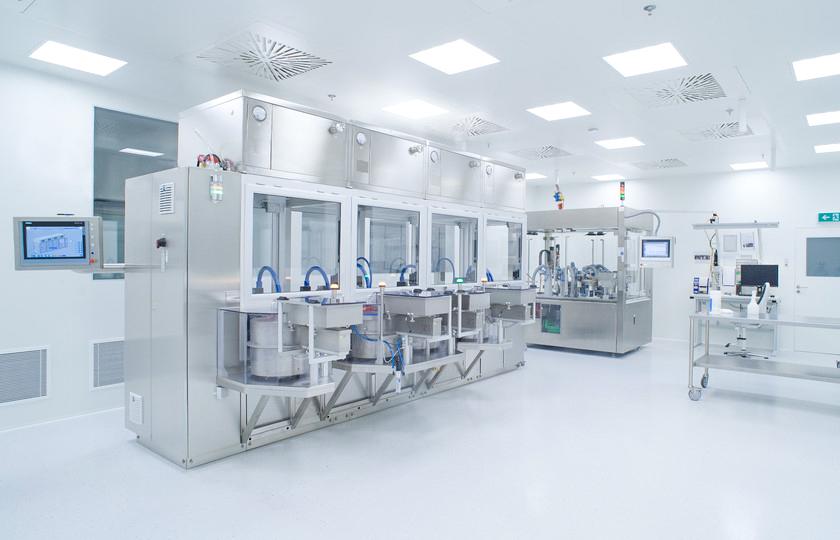
Environmental Control Strengthens Product Quality and Manufacturing Reliability
Reliable environmental control is fundamental to every GMP manufacturing environment. Stable temperature, humidity, pressure differentials, airflow direction, and airborne particle management all contribute to creating production conditions suitable for sterile pharmaceutical manufacturing. Rather than functioning independently, these environmental parameters operate together to reduce contamination risks and support consistent manufacturing performance.
Modern contamination control strategies emphasize prevention throughout the entire production process. Cleanroom layouts, personnel procedures, material flow, equipment selection, and sanitation practices are designed collectively to minimize potential sources of contamination before they affect manufacturing operations. This preventive engineering philosophy improves production reliability while supporting regulatory expectations for sterile manufacturing.
Digital environmental monitoring has further strengthened pharmaceutical engineering. Connected monitoring systems continuously collect operational data from multiple cleanroom zones, providing production teams with real-time visibility into environmental conditions. Continuous monitoring allows manufacturers to identify potential deviations earlier, improve production transparency, and strengthen quality management across the facility.
By integrating contamination control, intelligent monitoring, and facility engineering into one coordinated system, modern pharmaceutical manufacturers are creating sterile production environments that support both operational efficiency and long-term manufacturing confidence.
Facility Engineering Creates a Reliable Foundation for Sterile Manufacturing
Successful sterile pharmaceutical production depends not only on controlled cleanroom environments but also on the engineering systems that support them. Facility engineering brings together production areas, utility networks, environmental controls, clean utilities, and supporting infrastructure into a coordinated manufacturing environment capable of delivering stable and repeatable production performance.
Modern pharmaceutical facility engineering begins with a comprehensive understanding of manufacturing workflows. Production areas, personnel circulation, material movement, equipment maintenance access, and utility distribution are planned simultaneously to improve operational efficiency while minimizing the possibility of cross-contamination. This engineering approach enables manufacturers to create facilities that support both regulatory compliance and practical day-to-day operation.
Supporting systems such as purified water, clean steam, compressed air, process gases, electrical distribution, and building management systems are increasingly designed as interconnected engineering platforms rather than independent utilities. Integrating these systems during the planning stage simplifies installation, improves operational coordination, and allows facilities to adapt more efficiently as production requirements change.
By combining cleanroom engineering with facility-wide system integration, pharmaceutical manufacturers establish production environments that support long-term operational reliability while providing flexibility for future expansion and evolving manufacturing technologies.
The Future of GMP-Oriented Pharmaceutical Engineering
The future of sterile pharmaceutical production will be shaped by greater digital connectivity, intelligent automation, and increasingly integrated engineering practices. Modern manufacturing facilities are evolving into connected production environments where equipment, environmental monitoring, utility systems, and production management exchange information continuously to support faster and more informed operational decisions.
Artificial intelligence, predictive maintenance, and advanced environmental analytics are expected to strengthen contamination control by identifying potential process deviations before they influence production. Combined with continuous environmental monitoring and intelligent building management systems, these technologies help manufacturers improve production stability while reducing unplanned downtime.
Sustainability is also becoming a key objective in pharmaceutical engineering. New facility designs increasingly emphasize energy-efficient HVAC systems, optimized airflow management, reduced utility consumption, and environmentally responsible manufacturing practices without compromising GMP requirements or sterile production standards.
As pharmaceutical manufacturing continues moving toward Industry 4.0, integrated cleanroom engineering will become an even more important foundation for building flexible, efficient, and future-ready pharmaceutical facilities capable of supporting increasingly complex sterile products.
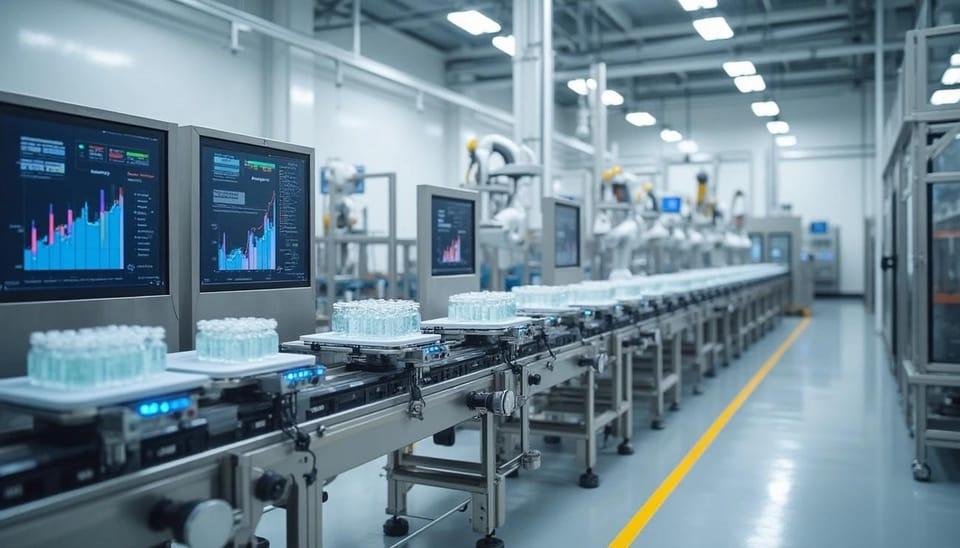
SINOPED's Perspective on Sterile Pharmaceutical Engineering
Reliable sterile manufacturing begins with reliable engineering. Modern pharmaceutical facilities require more than advanced production equipment—they depend on how effectively cleanroom environments, utilities, automation, facility infrastructure, and manufacturing processes operate together as a unified system.
At SINOPED International (Liaoning) Co., Ltd., engineering development focuses on integrating pharmaceutical equipment with cleanroom engineering, facility planning, and intelligent manufacturing technologies. By considering production workflows alongside infrastructure design, the company supports manufacturers in developing facilities that combine operational efficiency with long-term manufacturing reliability.
Rather than treating cleanrooms as independent construction projects, SINOPED emphasizes coordinated pharmaceutical engineering where environmental control, production systems, and facility infrastructure work together to support efficient sterile manufacturing. This integrated approach reflects the industry's continuing transition toward intelligent, scalable, and sustainable pharmaceutical production.
Conclusion
Sterile pharmaceutical manufacturing depends on the successful integration of GMP cleanroom engineering, pharmaceutical facility design, environmental control, and intelligent manufacturing systems. As regulatory expectations continue to evolve and sterile medicines become increasingly important worldwide, manufacturers require production environments that combine operational efficiency with consistent quality assurance.
Modern pharmaceutical engineering addresses these challenges by connecting cleanroom infrastructure, utility systems, environmental monitoring, automation, and production workflows into coordinated manufacturing facilities. This integrated approach supports contamination control, strengthens manufacturing reliability, and creates flexible production environments capable of adapting to future technological developments.
Through continuous engineering innovation and practical manufacturing experience, SINOPED contributes to the advancement of sterile pharmaceutical production by supporting the development of integrated GMP-oriented facilities that help pharmaceutical manufacturers build reliable, efficient, and future-ready manufacturing operations.
Frequently Asked Questions
Why is GMP cleanroom engineering essential for sterile pharmaceutical manufacturing?
GMP cleanroom engineering creates controlled manufacturing environments that help manage airborne particles, microbial contamination, temperature, humidity, and pressure differentials. These controls support product quality, regulatory compliance, and consistent sterile manufacturing.
What is the difference between cleanroom design and pharmaceutical facility engineering?
Cleanroom design focuses on controlled production environments, while pharmaceutical facility engineering integrates cleanrooms with utilities, HVAC systems, process equipment, material flow, automation, and supporting infrastructure to create a complete manufacturing facility.
How does environmental monitoring improve sterile pharmaceutical production?
Continuous environmental monitoring provides real-time information about airborne particles, temperature, humidity, differential pressure, and other critical parameters. This enables manufacturers to respond quickly to changes while maintaining stable production conditions.
What engineering systems are commonly integrated into GMP pharmaceutical facilities?
Modern facilities typically integrate cleanrooms, HVAC systems, purified water, clean steam, compressed air, process gases, electrical systems, automation platforms, environmental monitoring, and building management systems into one coordinated engineering environment.
How is digital technology changing pharmaceutical cleanroom engineering?
Digital technologies improve cleanroom management through centralized monitoring, intelligent automation, predictive maintenance, environmental analytics, and connected production systems, supporting greater manufacturing efficiency and long-term operational reliability.
Explore our technical resources, industry knowledge, and equipment information.
If you need assistance with equipment selection, production requirements, or technical questions, contact our International Sales Manager Brucr.
WhatsApp: +86 13372559966
Our team helps global customers find suitable manufacturing solutions based on their project requirements.